 EN
EN

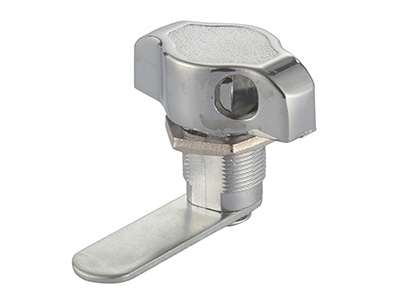
The simple fact is cylinder cam locks can last for anywhere from a few months to many years depending on conditions and manufacturer. Inexpensive cylinder cam locks can fail early and this failure represents security vulnerabilities, replacement costs and ongoing headaches for the specifier. Let’s look at the four critical elements that most influence a cylinder cam lock's potential service life.
Material Quality: Base Alloys and Corrosion Resistance
By far the most critical factor in a cylinder cam lock's life expectancy, the materials from which it is constructed is fundamental. Inferior locks are often made with cheap die cast base alloys with high impurity levels or even plastic. This construction quickly deteriorates from wear, corrosion or physical damage when exposed to regular use, moisture, temperature changes and the like.
MeiGu is able to construct its cylinder cam locks using superior base alloys such as the zinc/aluminum die-casting alloys which are precisely controlled for purity-ensuring copper levels are below 0.1% and iron is below 0.075%, which helps prevent the intergranular corrosion that causes white rust and structural degradation. MeiGu uses 304 or 316 stainless steel forgings to construct both the cam and all internal parts, which provide tensile strength exceeding 500 MPa and superior resistance to corrosion compared with stamped steel cams found in lower end locks that can fail within months in a humid environment. A specification calling for stainless steel internal parts and die cast parts designed to be resistant to corrosion dramatically extends service life.
Environmental Exposure: Moisture, Temperature, and Chemicals
A cylinder cam lock installed on an internal office filing cabinet will last considerably longer than an identical lock installed on an outdoor RV compartment or a garage toolbox. Environmental conditions are dominant factors in predicting service life and are often overlooked. Humidity will corrode internal components and extreme temperature ranges can cause condensation build-up within the lock housing, as well as expand and contract materials differently, leading to stress and fatigue. Contact with salt water, road spray, and industrial chemicals all contribute to accelerating the demise of a poorly protected lock cylinder cam lock.
To guard against environmental factors, MeiGu designs its locks with multiple defenses. IP65 rated cylinder cam locks feature O-ring seals at both the keyway and the interface with the cabinet or enclosure. This prevents the ingress of water and dirt. Stainless steel cams and springs are inherently resistant to rust even if condensation occurs. If the location involves direct contact with salt water, use of 316 stainless steel for these components provides an added element of corrosion resistance thanks to the added molybdenum in this alloy. Lubricants used at the factory remain viscous in wide ranges of temperatures ranging from -40°C to +80°C to provide a level of operation and protection. A specification should always consider the real-world application of the lock rather than simply stating it is for use in "normal conditions".
Operational Frequency and Mechanical Wear
The frequency of operation will determine mechanical wear. A lock on a rarely used tool box could have 50 key actuations per year, while an industrial lock on a door may see 2,000 or more actuations per year. In both cases wear is taking place on the key pins, cam and inside of the keyway. The rate of wear, however, can vary widely and is directly tied to mechanical design and materials of construction.
MeiGu cylinder cam locks are engineered for heavy duty use. The pins and drivers used are made from nickel-silver or stainless steel which wear slowly. The cam is designed to rotate about a hardened steel pivot pin rather than in a bearing made from base alloy in the zinc casting, transferring the wear from this soft surface to a harder or replaceable component. Lubricant is applied at the factory using synthetic greases that do not dry out, pick up dust and grime easily and which operate throughout a wide temperature range. In applications where extreme cycling numbers are expected, MeiGu offers high-performance versions of cylinder cam locks that include roller bearing style pivots to further minimize friction and wear. A lock specification that specifies 50,000 cycles compared to only 10,000 cycles will vastly outperform the lesser spec lock when put under an identical workload.
Manufacturing Precision: Tolerances and Assembly Quality
Two cam locks manufactured from the same material may fail at drastically different points in their service life if they were constructed with vastly different tolerances. Imprecise manufacturing creates a slackness between the key and cylinder that will quickly accelerate wear on all internal components. If any pin chamber is not precisely aligned within the cylinder, there will be additional stress put upon it by the key pins and driver.Rough internal finishes will also increase friction and accelerate fatigue of stressed internal components.
MeiGu cylinder cam locks are machined on CNC machining centers that hold tight tolerances within 0.05 mm of the bore diameter and the diameter of each pin chamber and on the bore for the cam rotation surface, ensuring smooth operation without excessive play or binding within the mechanism. Quality controlled assembly at MeiGu ensures key pins are meticulously sorted for length to within sub millimeter accuracy and that springs are checked for consistent tension before being installed. Every lock is hand-tested with a sample key before packaging. Mass produced economy locks frequently have pin chambers drilled out of axis and cam components attached by simple rivets that are prone to eventual failure. Manufacturing precision is often not discernible in a component until it fails and it is always prudent to purchase from manufacturers that exhibit a commitment to precision through their process controls.
Conclusion
The service life of a cylinder cam lock product is influenced by four main factors; material quality (e.g. Stainless steel components as opposed to common base alloys), environmental exposure (moisture, temperature & chemicals), frequency of operation and subsequent mechanical wear and precision manufacturing standards (tolerances and quality of assembly). MeiGu lock Industry Co., Ltd. Brings 15+ years of expertise to bear upon the manufacturing process through precision CNC machining, die-casting, and the use of 304/316 stainless steel forgings that allow the company to engineer superior products that consistently outlast. When specifying any cylinder cam lock product for an RV compartment, toolbox, industrial cabinet or the like, it is crucial that you choose one which has been designed for the particular environmental challenges and operational frequency associated with your application. Visit www.meiguLock.com.